

Injectables · Williston park, NY
Jawline Filler (ML)
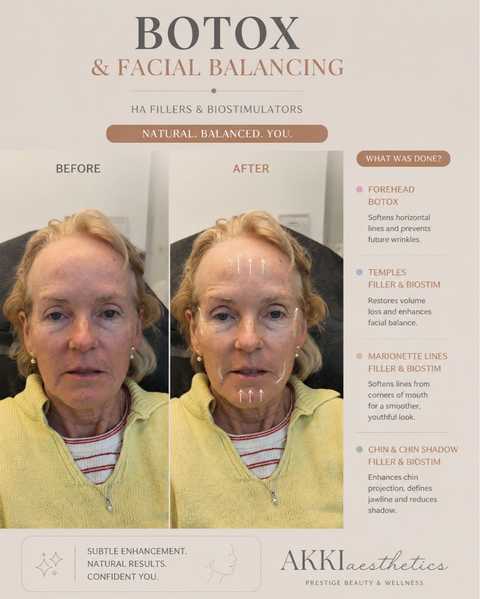
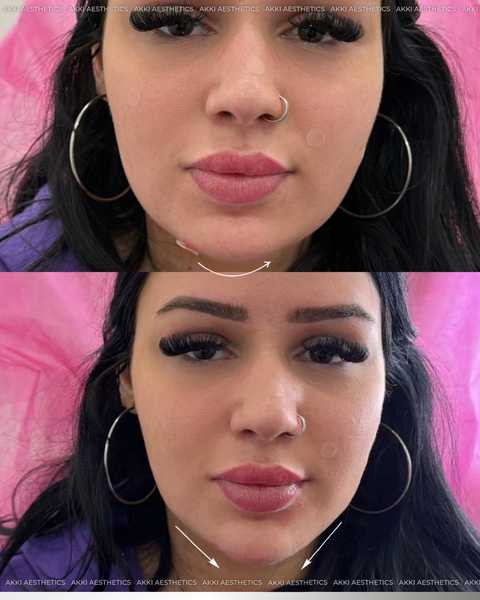
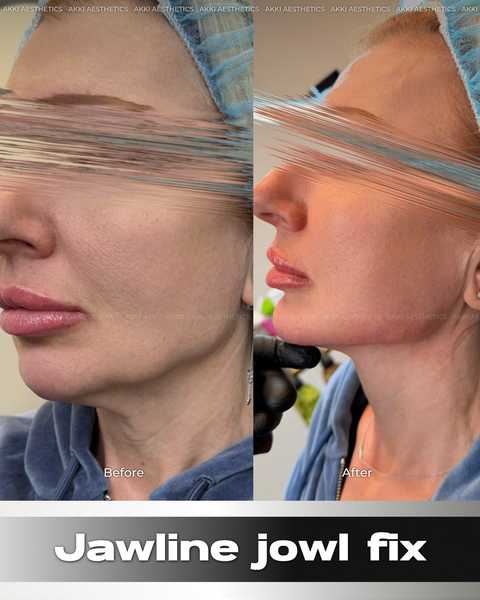
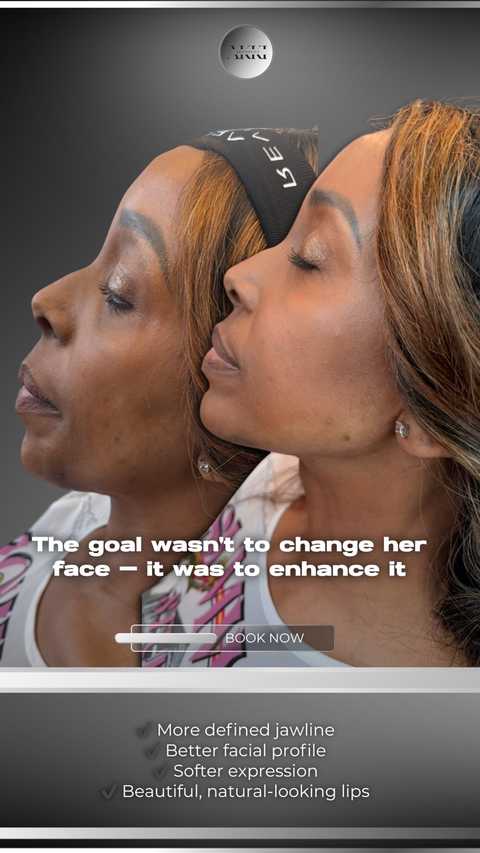
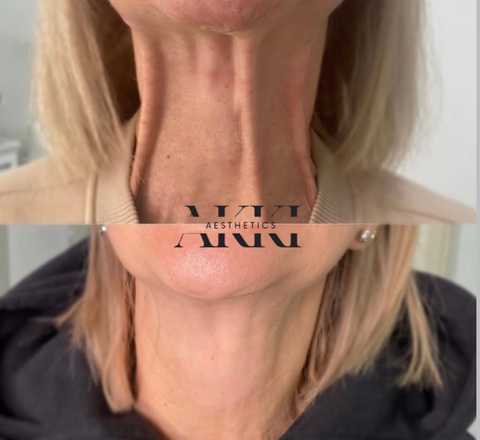
Enhance the lower face by sharpening contours and adding structure for a more sculpted appearance. This treatment improves the side profile and creates a cleaner jawline while maintaining natural movement. Each session is tailored to your anatomy to provide a strong, refined, and lifted finish.
Price$599
Duration30 mins
Jawline Filler (ML) Gallery
$$MultiPurposeText$$
See examples of our Jawline Filler (ML) work and results.


What Our Clients Say
$$MultiPurposeText$$
Read testimonials from our satisfied customers

Had my Botox done here, and the staff was very attentive. The place is exceptionally clean...more

Liran was amazing , I did a Russian lip , I’m absolutely in love with the results , I rea...more

Absolutely amazing took time to listen and also explain everything immaculately. Would hig...more

I had a great experience with my injector for botox! He was extremely kind, knowledgeable,...more

A Very talented facial artist ! I’m so happy with my result !

1st time client, everything Exceptional. Highly recommend. Will return.

Frequently Asked Questions
Get answers to common questions about Jawline Filler (ML).
Typically, jawline fillers last between 6 to 18 months, depending on factors like the type of filler used and individual metabolism.
Most patients report minimal discomfort as we use fine needles and may apply a topical anesthetic for a more comfortable experience.
The procedure usually takes about 30 to 60 minutes, allowing you to return to your daily activities promptly.
Common side effects may include swelling, bruising, or redness at the injection site but typically resolve within a few days.
Results can be seen immediately after your treatment, with final results settling within a few weeks as swelling subsides.
Ideal candidates are adults looking to enhance their jawline without surgery; a consultation will determine your suitability.
Ready To Book Jawline Filler (ML)?
$$MultiPurposeText$$
Schedule your jawline filler (ml) appointment today and experience the difference.
Read more about Jawline Filler (ML)
$$MultiPurposeText$$
Explore our latest insights and guides on Jawline Filler (ML).
Jawline Filler (ML)

Injectables

Injectables

Navigating Injectable Treatments in Williston Park: A Complete Overview
Published On: June 29, 2026
Injectables

Comprehensive Overview of Injectable Services in Williston Park
Published On: June 26, 2026
Injectables

Understanding Injectables: Your Complete Guide in Williston Park
Published On: June 24, 2026
Injectables

Injectables

Everything You Need to Know About Injectables in Williston Park
Published On: June 15, 2026