

Injectables · Williston park, NY
Chin Filler (ML)
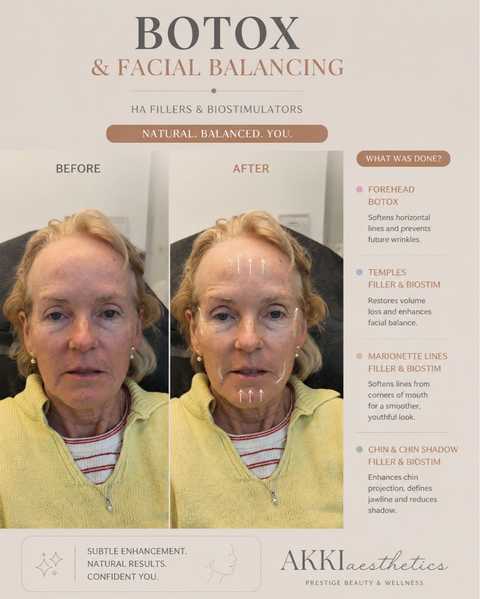
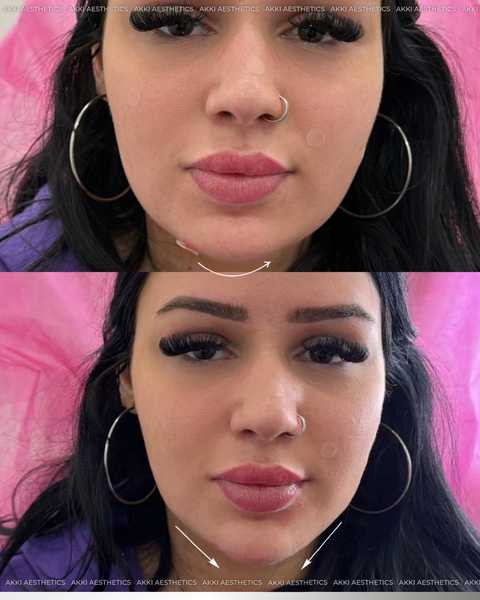
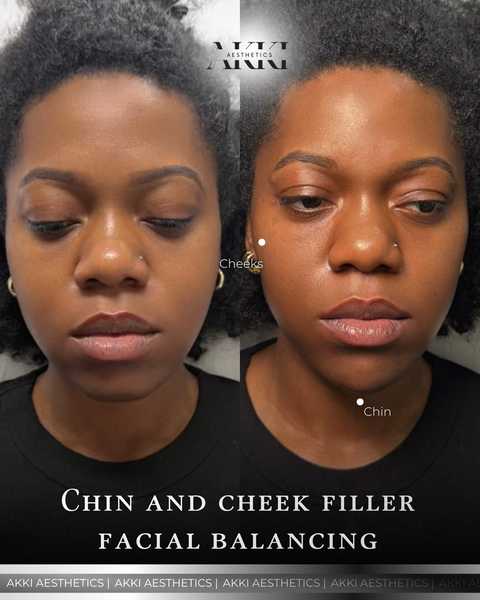
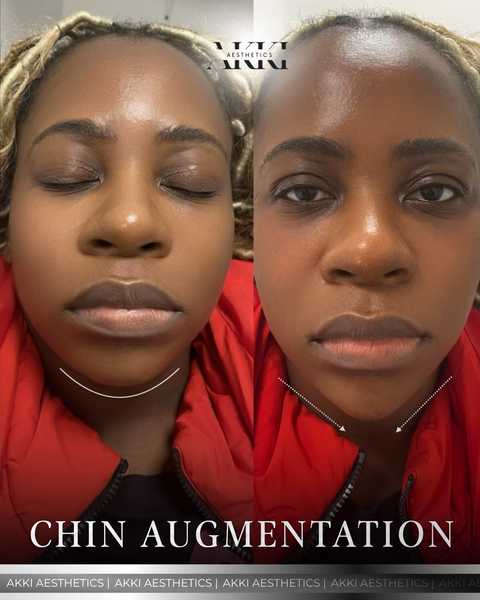
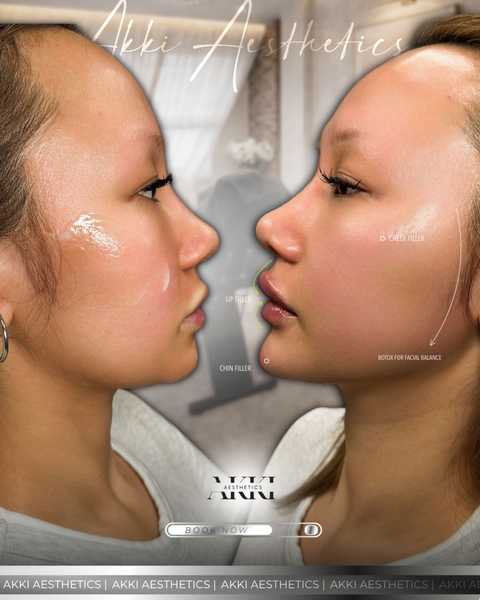
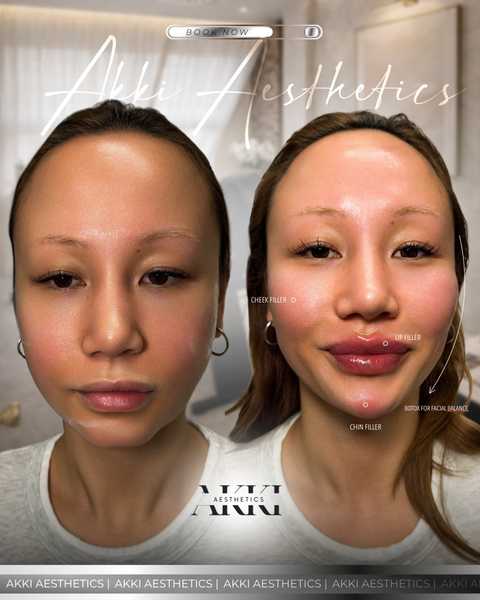
Improve projection and facial balance by adding structure to the chin and lower face area. This treatment helps elongate the face and strengthens the overall profile for better aesthetic proportion. Strategic placement allows for subtle contouring that looks natural and brings harmony to your features.
Price$599
Duration30 mins
Chin Filler (ML) Gallery
$$MultiPurposeText$$
See examples of our Chin Filler (ML) work and results.


What Our Clients Say
$$MultiPurposeText$$
Read testimonials from our satisfied customers

Had my Botox done here, and the staff was very attentive. The place is exceptionally clean...more

Liran was amazing , I did a Russian lip , I’m absolutely in love with the results , I rea...more

Absolutely amazing took time to listen and also explain everything immaculately. Would hig...more

I had a great experience with my injector for botox! He was extremely kind, knowledgeable,...more

A Very talented facial artist ! I’m so happy with my result !

1st time client, everything Exceptional. Highly recommend. Will return.

Frequently Asked Questions
Get answers to common questions about Chin Filler (ML).
Chin filler results typically last between 6 to 12 months, depending on individual factors and product used.
The chin filler treatment involves minimal discomfort. A topical anesthetic is used to ensure a comfortable experience.
Most clients return to daily activities immediately after treatment, though some swelling may occur briefly.
Common side effects include swelling, bruising, or tenderness at the injection site, usually resolving quickly.
Yes, many clients notice immediate improvement in their chin's appearance after the treatment.
Ideal candidates are those looking to enhance their facial profile and achieve better balance without invasive surgery.
Ready To Book Chin Filler (ML)?
$$MultiPurposeText$$
Schedule your chin filler (ml) appointment today and experience the difference.
Read more about Chin Filler (ML)
$$MultiPurposeText$$
Explore our latest insights and guides on Chin Filler (ML).
Chin Filler (ML)

How Chin Filler (ML) Improves Your Profile — Benefits & Results
Published On: July 24, 2026
Injectables

Injectables

Navigating Injectable Treatments in Williston Park: A Complete Overview
Published On: June 29, 2026
Injectables

Comprehensive Overview of Injectable Services in Williston Park
Published On: June 26, 2026
Injectables

Understanding Injectables: Your Complete Guide in Williston Park
Published On: June 24, 2026
Injectables

Injectables

Everything You Need to Know About Injectables in Williston Park
Published On: June 15, 2026